Built for the First Hour,
the Hard Weeks, and the Roadmap After.
Incident response across the full lifecycle. AI-led services for fast triage and pre-positioned readiness. Human-led engagements for negotiation, forensics, and hardening. Trinity Platform behind every response, with U.S.-based specialists on call 24/7.
The First Hour Now
Decides Most of the Outcome
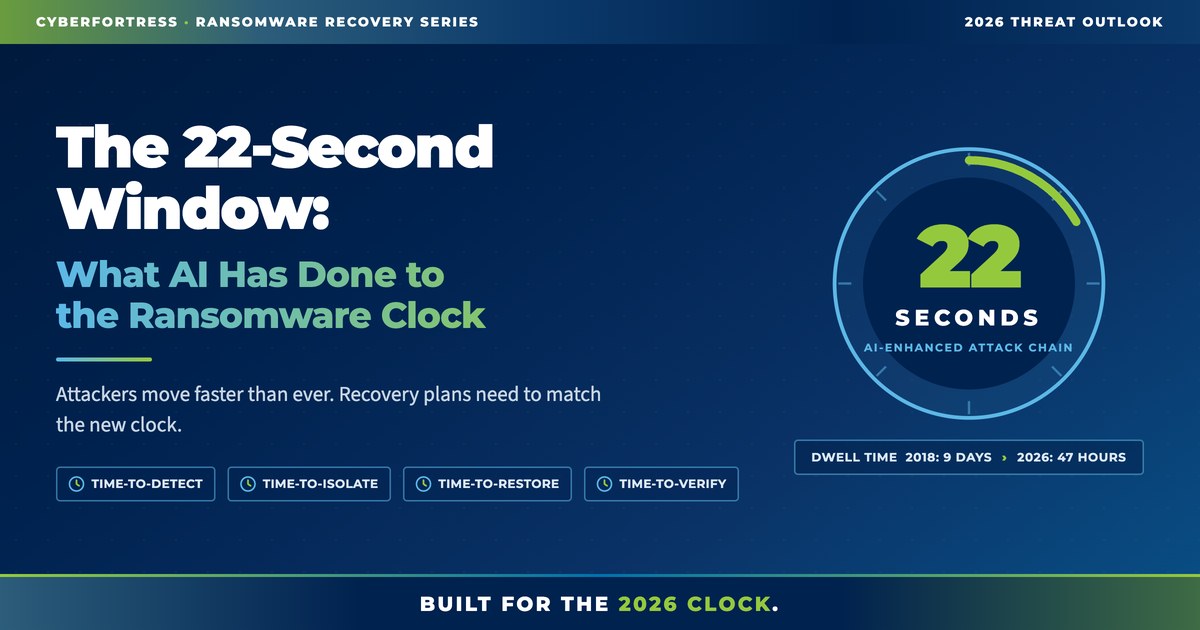
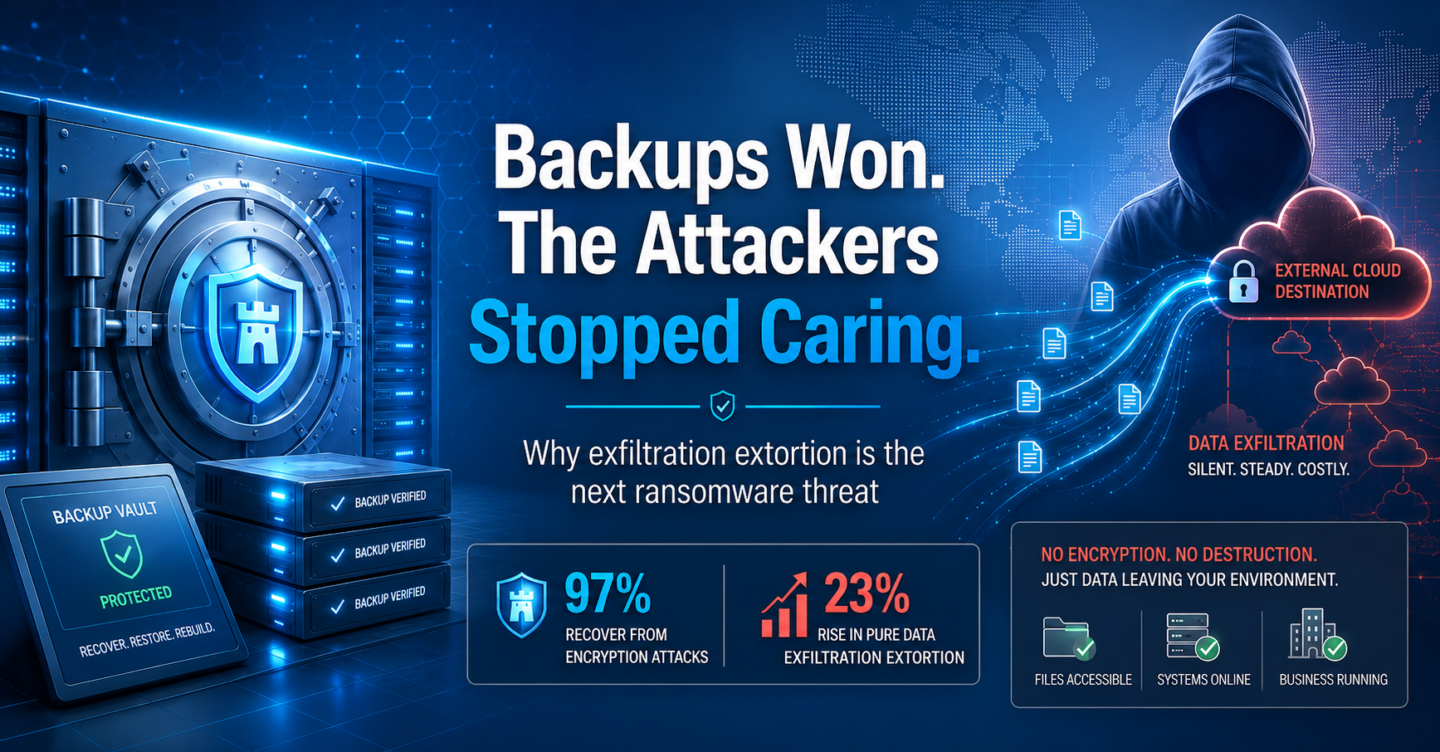
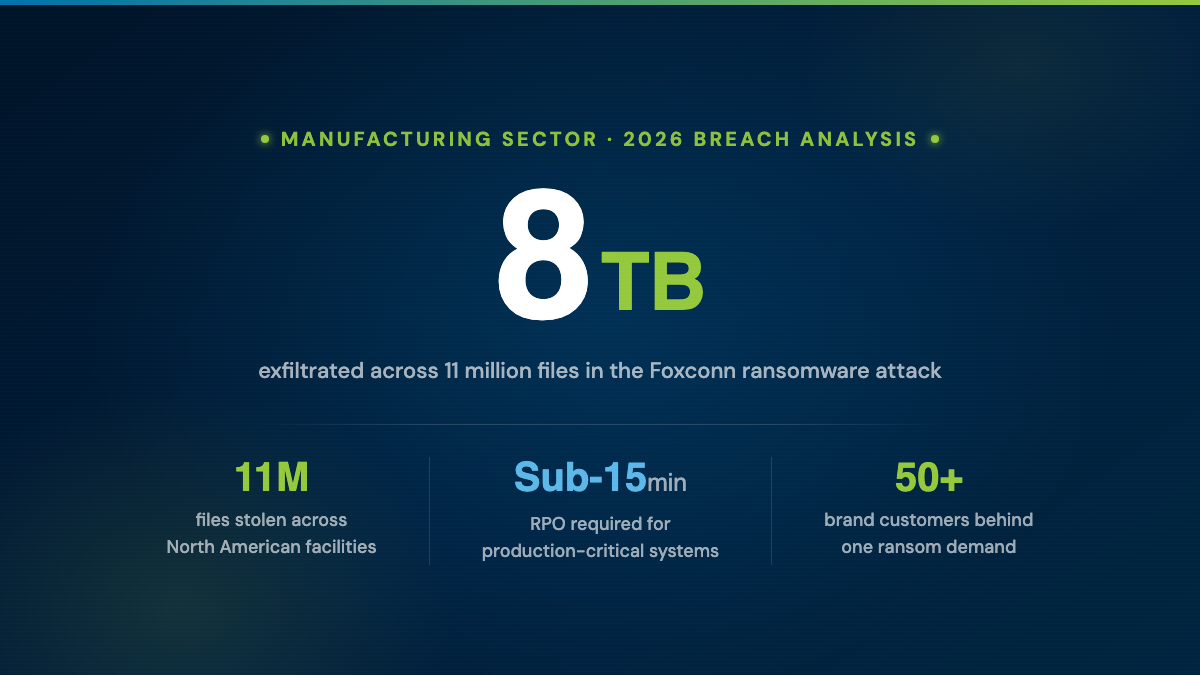
Pure exfiltration extortion is up 23% year over year — often without an encryption phase to trigger traditional detection. AI-enhanced attacks have compressed dwell time from days to hours. The response that succeeds is the one that was ready before the incident was declared.
The shape of a cyber incident in 2026 looks meaningfully different from what most incident response plans were designed to handle. Vendor breaches cascade across customer environments, turning a single compromise into a sector-wide event. Three realities define what IT, security, and executive leaders are facing right now.
Speed Is the New Battleground
Once the encryption fires or the exfiltration completes, the time between detection and material damage is shrinking every quarter. The response that succeeds is the one that was ready before the incident was declared.
Complexity Has Multiplied
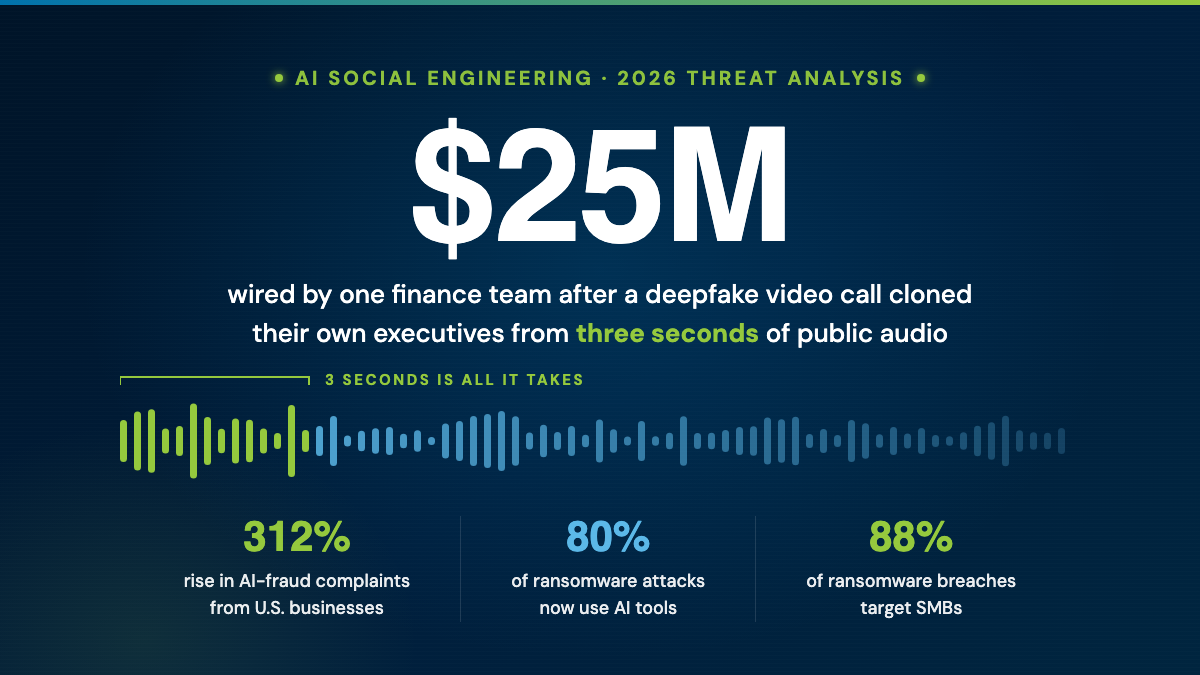
A modern incident often combines ransomware, data exfiltration, vendor compromise, and credential theft in a single event. The response needs negotiation skills, forensic depth, recovery infrastructure, and communications discipline all at once.
Documentation Is Now a Deliverable
Cyber insurance carriers, regulators, boards, and customers all expect documentation of how the incident unfolded and what changed because of it. A response without a paper trail is a response that fails the audit afterward.
Incident Response Is Three Disciplines,
Not One
A real incident response engagement covers three distinct moments, each with its own work. Most providers offer one or two. CyberFortress operates across all three under one accountable team.
Pre-Positioned Readiness
Environment profiling, backup posture validation, BCP/DR planning, and tabletop drills all happen before any incident is declared. Pre-positioned readiness is the work that determines how the response actually runs when the alert fires. The investment compares favorably to the cost of figuring it out in the first hour.
The First 48 Hours
The first 48 hours of an incident set the trajectory for everything that follows. Containment, triage, negotiation, communications, and recovery all run in parallel under time pressure. A recovery specialist who already knows your environment, and a negotiator who has handled the same threat actor before, are the difference between a controlled response and a chaotic one.
Recovery Doesn’t End at Restore
Forensic investigation determines root cause and preserves evidence. Hardening closes the gap that allowed the incident in the first place. Executive briefings and regulatory documentation complete the audit trail. The work that prevents a repeat happens in the weeks after the encryption is cleared, not in the hours during.
The Recovery Was Already Operational
When the Call Came In
The Trinity Platform changes what incident response looks like from the moment an incident is declared. Prevention, detection, and recovery are already running under one accountable team. The IR engagement is not starting from scratch — it is activating capability that was already in place.
Prevent
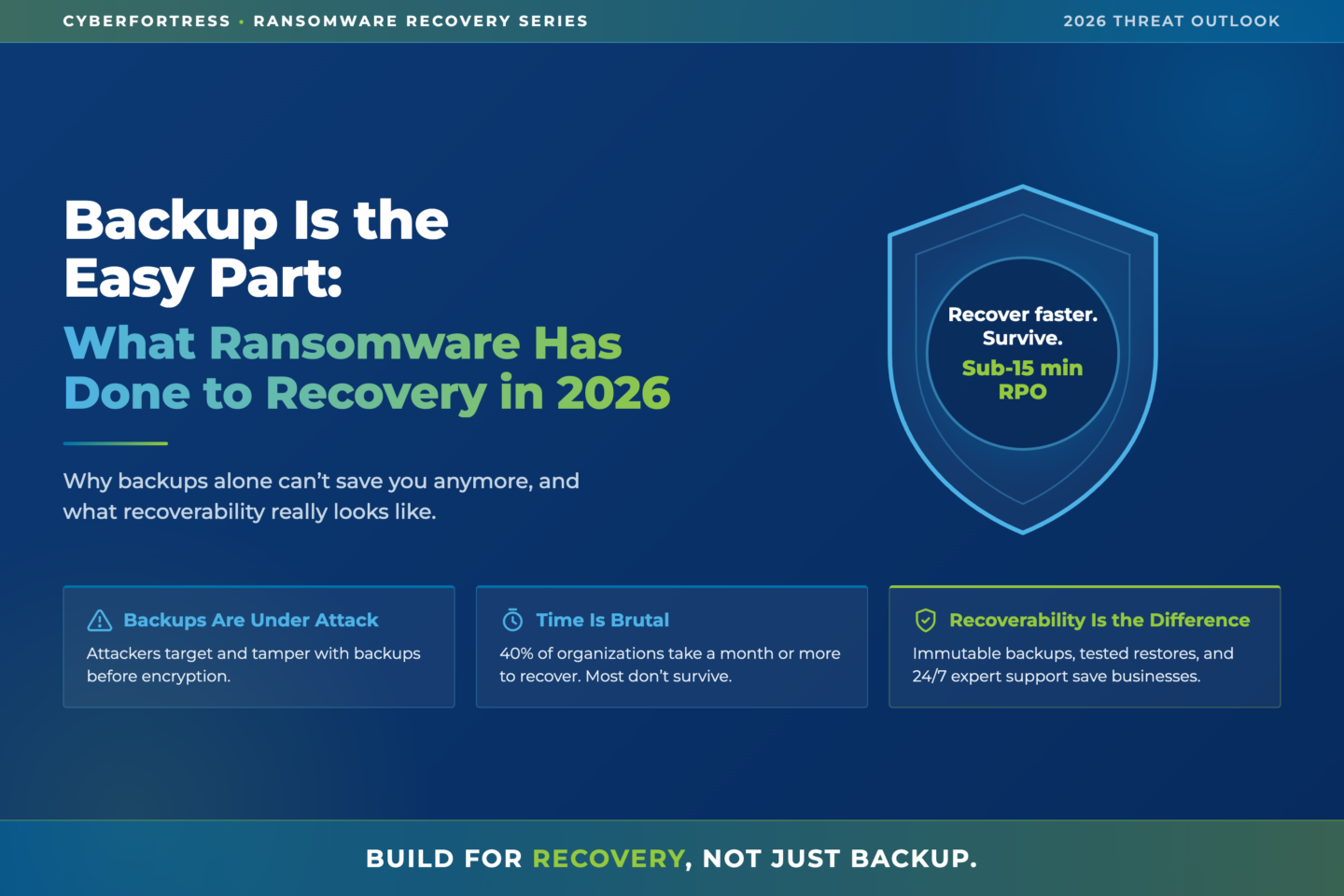
Air-gapped, immutable vaults and identity-isolated architecture mean the recovery copy is already unreachable by the attacker. When the IR engagement begins, the data the response needs is verified, intact, and available.
Detect
24/7 monitoring with U.S.-based analysts catches the early signals before encryption fires or exfiltration completes. The first call into the IR team often happens during the containment phase, not after the ransom note.
Recover
Validated restore testing, sub-15-minute RPOs, and a recovery specialist on call mean recovery starts in parallel with the response, not after it. The business is operational faster, and the IR engagement focuses on root cause and hardening.
Fast Triage, Pre-Positioned Readiness,
Clear Documentation
AI-led IR services give you speed and scale at the moments when both matter most. Pre-position the readiness before an incident occurs. Triage automatically when the alert fires. Produce documentation that holds up under regulator and insurer scrutiny.
AI-Led IR Readiness
Your environment is onboarded and profiled in advance. When an incident occurs, you activate the service and AI immediately triages blast radius, identifies affected systems, and guides containment. Think of it as a fire extinguisher: bought once, ready when needed.
AI-Led IR Recovery Assessment
After an incident or near-miss, AI analyzes your logs, backup state, and data loss footprint, then delivers a gap report and a hardened recovery roadmap to prevent the same thing happening again.
- Resilience Posture Assessment Scores your backup configurations and recovery logs against your stated objectives
- Ransomware Readiness Audit Analyzes your backup architecture, segmentation, and immutability for whether you could recover without paying
- RTO / RPO Gap Analysis Compares your stated recovery targets against your actual cadences and test history
- BCP / DRP Grader Scores your continuity plan against NIST and ISO 22301
- SPOF Identification Maps dependencies to surface the single points of failure that would block recovery
When the Incident Demands
Senior Consultants on the Call
Some moments require experienced humans, not automation. CyberFortress brings senior consultants and experienced responders to the engagements where negotiation, investigation, and hardening have to be done by people who have done them before.
Ransomware Negotiation
Experienced negotiators manage all threat-actor communication, from initial contact and ransom demand assessment to negotiation strategy and payment decision support. A clear, informed path through a situation that escalates by the hour.
Digital Forensics
Investigators determine root cause, build a full attack timeline, assess data-exfiltration scope, and preserve evidence for legal proceedings, regulatory reporting, and insurance claims. The forensic record you need to defend the response afterward.
Post-IR Hardening
Following investigation, a senior consultant builds a prioritized remediation and hardening roadmap across backup architecture, access controls, detection, and response. The same gap that allowed this incident does not get to be used twice.
- Facilitated Tabletop Exercise Consultant-led testing of decision-making, surfacing gaps and building muscle memory before a real incident
- Recovery Architecture Review Written recommendations report on design gaps, misconfigurations, and RTO/RPO improvements
- BCP / DRP Development Business continuity or disaster recovery plan built from scratch, tailored to your environment
- Post-Incident Resilience Review After any breach, outage, or near-miss, a hardening roadmap that goes beyond pure forensics
- Executive Resilience Briefing Technical posture translated into board and C-suite language with risk quantification
What Happens When an Incident
Is Already in Motion
When the encryption is already running or the leak site post has already been scheduled, the response follows a clear sequence. CyberFortress operates each phase with the same team accountable for the outcome.
Ransomware Negotiation
Initial threat-actor contact, demand assessment, negotiation strategy, and payment decision support.
Digital Forensics
Root cause investigation, attack timeline, data-exfiltration scope, and evidence preservation.
Post-IR Hardening
Prioritized remediation across backup architecture, access controls, detection, and response.
Recovery Built Back Stronger
The environment that emerges from the engagement is more resilient than the one the attacker found.
Backed by the People Who Answer the Phone
Every engagement on this page is run by U.S.-based recovery specialists and senior consultants on call 24/7. ISO 27001 certified, 20,000+ businesses protected, and 20+ years of recovery work behind us. When the incident starts at 2 a.m. on a Saturday and your leadership team needs a partner already on the line, we answer the phone.
Ready to Have an IR Plan
That Holds Up When You Need It?
Talk to a CyberFortress expert about the right incident response posture for your environment. Whether you need pre-positioned readiness, an active engagement for an incident already in progress, or post-incident hardening to make sure the next one fails — we will scope what you need and recommend the right mix of AI-led and human-led services.