DATA PROTECTION TRENDS, NEWS & BACKUP TIPS
700 GB of Client Data Exposed: What the KKSB Breach Reveals About Law Firm Cybersecurity
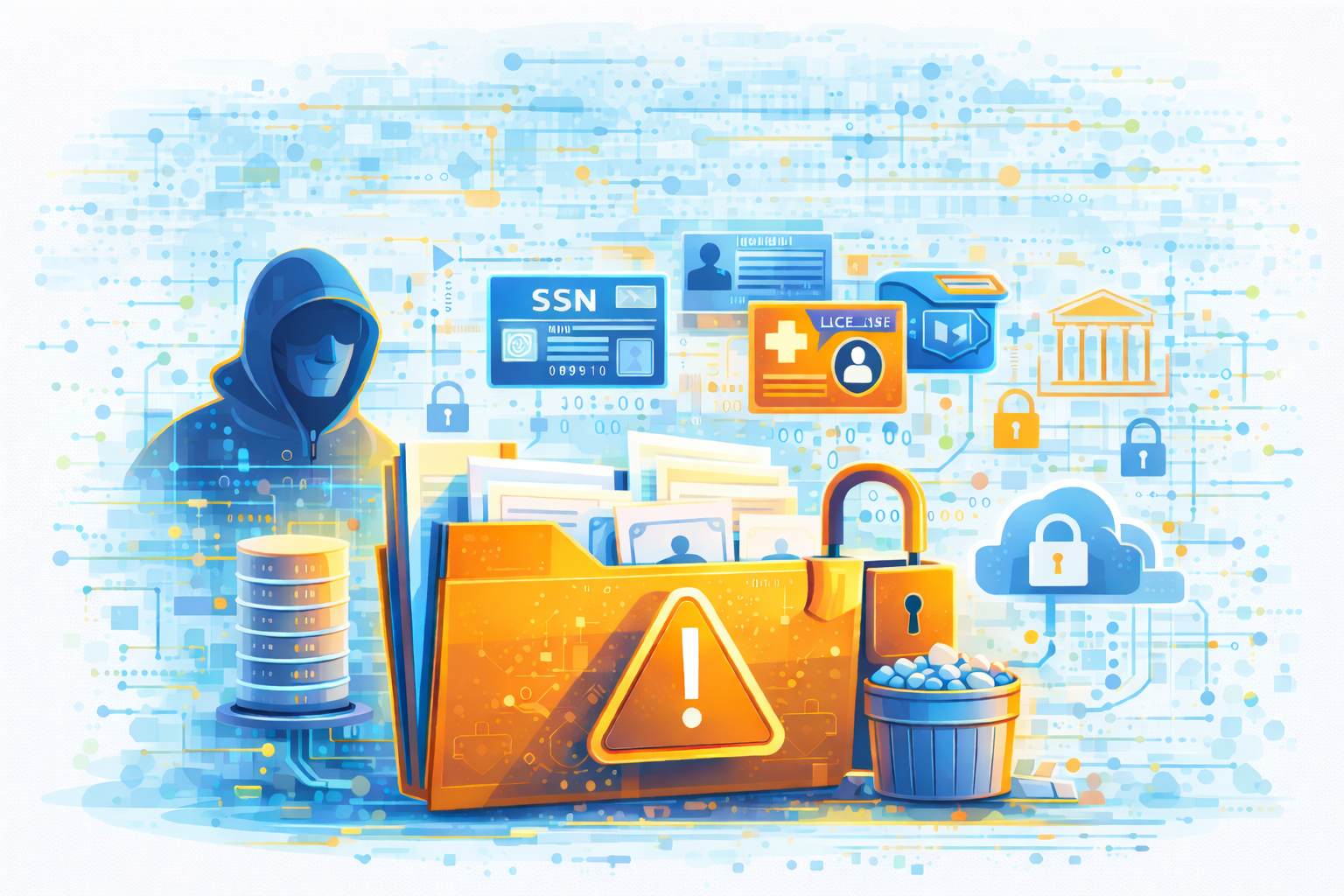
On March 3, 2026, the ransomware group Kairos posted a claim that sent shockwaves through the legal community: 700 gigabytes of files stolen from Katz, Kantor, Stonestreet & Buckner PLLC (KKSB), a West Virginia personal injury firm. The exposed data reportedly included Social Security numbers, driver’s licenses, medical records, and sensitive case details spanning premises liability, workplace injuries, and other deeply personal legal matters.
The firm had first detected suspicious network activity nearly a month earlier, on February 6, and moved quickly to secure its systems and notify affected clients. But by the time the breach became public, the damage was done, and the incident had become yet another data point in a troubling pattern across the legal profession.
Personal injury firms handle some of the most sensitive information any organization can possess. When that data is compromised, the consequences extend far beyond IT. They touch every client whose trust was placed in the firm’s care. The KKSB breach should push the legal profession to treat cybersecurity not as a back-office concern, but as a core professional obligation.
Building Real Resilience: What Law Firms Should Do Now
The good news is that effective protection is within reach. Law firms can significantly reduce their risk by taking a few deliberate steps: conducting regular risk assessments, encrypting sensitive data at rest and in transit, establishing business associate agreements where applicable, training staff on phishing and social engineering threats, and testing incident response plans before they’re needed. Third-party security audits and cyber liability insurance round out a solid foundation.
But the most forward-thinking firms are going further, adopting integrated data and cyber resilience strategies that pair proactive threat detection with unbreakable recovery capabilities.
The CyberFortress Trinity Platform: A Unified Approach to Cyber Resilience
Most firms treat security, backup, and threat monitoring as separate line items managed by different vendors with little coordination between them. That fragmented approach is part of what makes law firms so vulnerable in the first place. The CyberFortress Trinity Platform pulls all three disciplines under one roof, organizing them around a simple lifecycle that firms of any size can adopt: Prevent, Detect, and Recover.
Prevent: Proactive Defense and Immutable Storage
Consider what happened at KKSB: once attackers had network access, they were able to reach and exfiltrate 700 GB of client files. The Prevent pillar is designed to make that kind of outcome far less likely. Air-gapped vaults act as a Digital Bunker, physically disconnecting backup storage from the network so that even if an attacker gains full access, the backup data remains untouchable. Immutable backup technology adds Write Once, Read Many (WORM) controls on top of that, preventing data from being altered or deleted by anyone, including a compromised admin account.
For firms that routinely handle PHI, medical records, and case files through everyday web activity, the Prevent layer also addresses perimeter risk. Through integration with Menlo Security, browser and network isolation blocks malware from entering the environment through normal web traffic. These protections map directly to HIPAA’s contingency plan requirements (45 CFR 164.308(a)(7)) and help demonstrate the “reasonable efforts” standard under ABA Model Rule 1.6.
Detect: Active Monitoring and Threat Containment
KKSB detected suspicious activity on February 6 but the breach wasn’t made public until nearly a month later. That timeline highlights one of the biggest challenges firms face: the gap between detection and containment. Through its integration with DeepSeas, the Trinity Platform provides 24/7 AI-driven threat detection backed by expert analysts who investigate alerts and contain threats like ransomware before they spread. For firms without a dedicated security operations team, this kind of monitoring fills a gap that would otherwise go unaddressed.
The Detect layer also helps firms get smarter about what they’re actually storing. Data classification tools separate the Crown Jewels (privileged client data, intellectual property, financials) from ROT (Redundant, Obsolete, and Trivial data) that accumulates over years of practice. For a personal injury firm managing thousands of case files, clearing out the ROT tightens the security perimeter and makes air-gapped protection more affordable to maintain.
Recover: The Digital Bunker and Recovery Assurance
When a breach does happen, the question regulators and clients will ask is: how fast can you get back on your feet? The Trinity Platform’s Recover pillar is built around validated Recovery Assurance, meaning actual proof that systems and client files can be restored within minutes, not the days or weeks that many firms currently face. Powered by platforms like Veeam and Asigra, the Recover layer includes clean data verification that scans restored files for dormant ransomware before anything goes back online.
For firms navigating HIPAA’s Breach Notification Rule or state notification requirements like West Virginia’s §46A-2A-102, the ability to demonstrate rapid, verified recovery changes the conversation entirely. It strengthens a firm’s position in regulatory reviews, reduces exposure in malpractice claims, and makes a meaningful difference when negotiating cyber insurance coverage.
A Question Every Client Should Ask
As cybersecurity incidents in the legal sector keep piling up, clients have every right to ask their current or prospective firms a simple question: How are you protecting my data? Encryption practices, breach response protocols, and backup strategies should all be part of that conversation. For firms looking to give a credible, comprehensive answer, the CyberFortress Trinity Platform provides exactly that.
Law Firms Are High-Value Targets, and the Numbers Prove It
The legal industry’s cybersecurity problem is not new, but it is getting worse. In a recent study of 500 U.S. law firms, one in five reported being targeted by cyberattacks in the past year, and 8% experienced direct loss or exposure of sensitive data. Among firms that suffered a breach, more than half (56%) confirmed that sensitive client information was compromised.
The financial toll is equally striking. The average cost of a data breach for law firms has climbed to an estimated $5.08 million, a 10% increase from the prior year.
These numbers reflect a fundamental tension: law firms hold extraordinarily valuable and private data, yet many of them, particularly smaller and mid-sized practices, lack the resources or infrastructure for advanced cybersecurity. That gap between the sensitivity of the data and the maturity of the defenses is exactly what threat actors exploit.
The Compliance Landscape: What’s Actually Required
Law firms don’t operate in a regulatory vacuum. Several overlapping frameworks impose real obligations around client data protection.
ABA ethical rules set the baseline. Model Rule 1.6 requires lawyers to make “reasonable efforts” to prevent unauthorized disclosure of client information. Model Rule 1.1 extends the duty of competence to include technological literacy, cybersecurity awareness included. ABA Formal Opinion 18-483 provides further guidance on post-breach responsibilities such as investigation, mitigation, and timely client notification. Enforcement falls primarily to state bar associations, typically triggered by complaints rather than proactive audits.
HIPAA obligations apply more broadly than many firms realize. Personal injury practices like KKSB routinely receive protected health information (PHI) from medical providers and insurers, which qualifies them as HIPAA business associates. That designation triggers compliance with the Security Rule (requiring administrative, physical, and technical safeguards), the Privacy Rule, and the Breach Notification Rule. Failing to conduct risk assessments or notify affected individuals on time constitutes noncompliance, regardless of the firm’s size.
State breach notification laws add another layer. West Virginia law (W. Va. Code §46A-2A-102) mandates prompt notification when unencrypted personal information is compromised, with enforcement authority resting with the state Attorney General.
FTC oversight rounds out the picture. The Federal Trade Commission can investigate under Section 5 of the FTC Act if a firm’s security practices are deemed unfair or deceptive, or if clients were misled about how their data was being protected.
The Penalties Are Real, and They’re Escalating
Noncompliance carries consequences that can threaten the viability of a practice.
HIPAA civil monetary penalties, adjusted for 2026 inflation, range from $145 per unknowing violation up to $73,011 per violation, with an annual cap of $2,190,294 per violation type. Willful neglect that goes uncorrected can reach that maximum on a per-violation basis, and criminal penalties may apply in the most egregious cases.
FTC penalties can reach approximately $51,744 per violation of a consent order, and settlements typically mandate security improvements and ongoing monitoring.
State attorneys general can impose civil penalties that have reached hundreds of thousands of dollars in comparable cases, often accompanied by requirements for credit monitoring and other remediation.
Beyond regulatory fines, firms face civil lawsuits, malpractice claims, bar disciplinary actions ranging from reprimands to suspension, increased insurance premiums, and lasting reputational harm. For a small or mid-sized firm, any combination of these can be existential.
The Accountability Gap: Who’s Actually Policing Law Firms?
Here’s the uncomfortable truth at the heart of this issue: no one is systematically enforcing cybersecurity standards across the legal profession.
Healthcare providers face active oversight from the HHS Office for Civil Rights under HIPAA. Financial institutions answer to a web of federal regulators. Law firms, by contrast, largely operate under a self-regulatory model. State bar associations handle ethical enforcement on a case-by-case, complaint-driven basis with limited proactive auditing or firm-wide standards. The FTC provides supplementary oversight, but it is far from comprehensive.
This patchwork approach means that accountability typically arrives after a breach, not before one. Many firms may never implement consistent, up-to-date protections simply because no regulator is checking until something goes wrong. The KKSB incident illustrates what that gap looks like in practice.
The Bottom Line
The KKSB breach fits a pattern that the legal profession can no longer afford to ignore. There is a widening gap between the sensitivity of the data law firms hold and the protections many have in place. Closing that gap is not just a technology problem. It is an ethical obligation, a compliance requirement, and increasingly, a business necessity.
Firms that invest in resilience now will be better positioned to protect their clients, satisfy regulators, and maintain the trust that the attorney-client relationship depends on. Those that wait may find that the next breach headline carries their name.