DATA PROTECTION TRENDS, NEWS & BACKUP TIPS
Threat Intelligence Sharing in 2025: Collaboration at a Crossroads
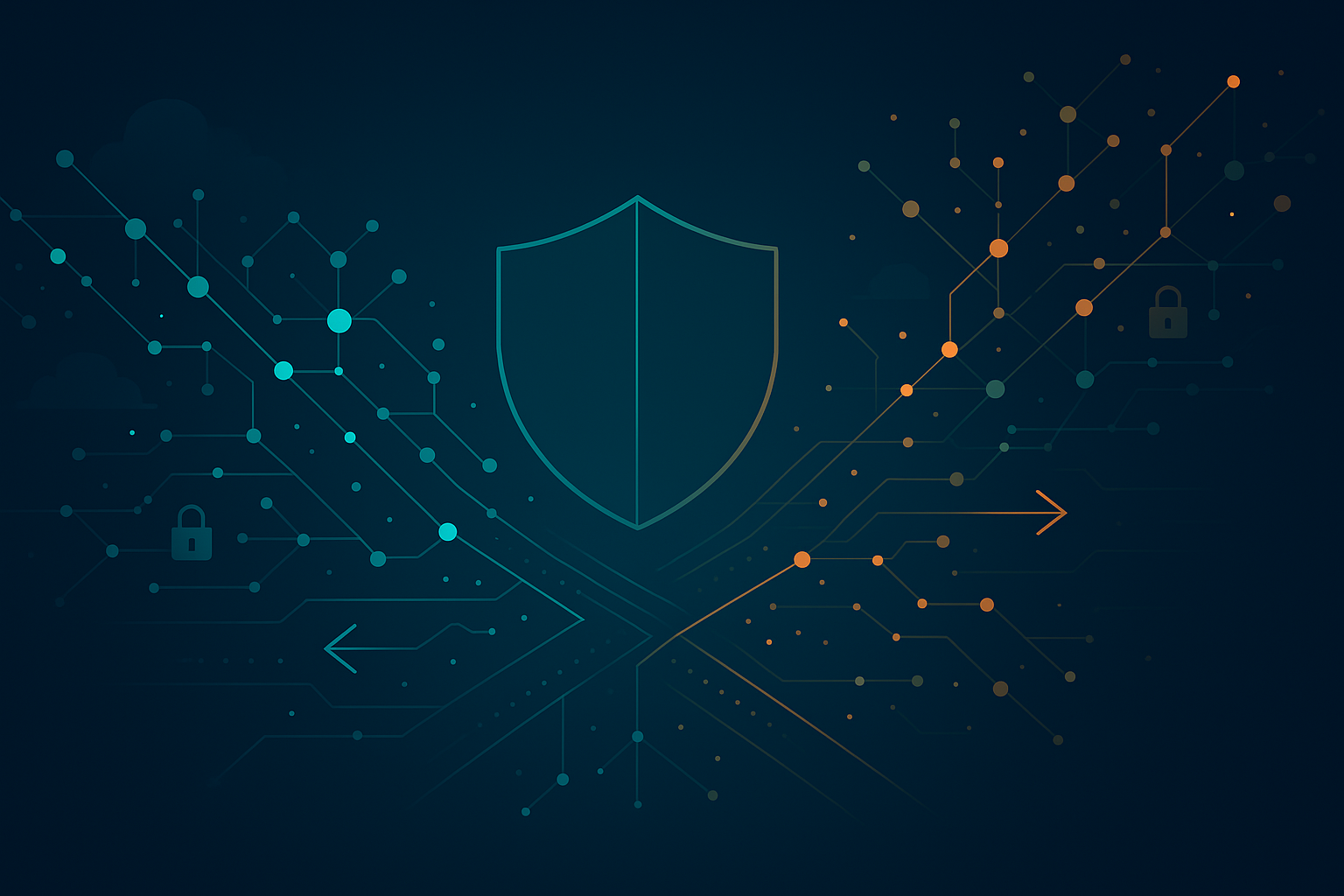
Threat actors are moving faster, using automation, AI assisted tooling, and well organized ecosystems to scale their attacks. Defenders have responded by sharing more indicators, techniques, and lessons learned across public and private networks. After a decade of pilots, frameworks, and joint initiatives, threat intelligence sharing now sits at a true crossroads. The decisions IT leaders make in the next year will determine whether information exchange becomes a durable pillar of collective defense or remains a patchwork of well meaning efforts that struggle to deliver day to day value.
What is changing
Several shifts are pushing information sharing from optional to essential.
- Speed of adversaries
Campaigns pivot in hours, not weeks. Once a vulnerability goes public, exploit kits appear quickly and are operationalized across multiple groups. That compresses defender response time and increases the value of timely, high fidelity intel. - Supply chain and identity attacks
Third party risk and identity abuse are common entry points. These patterns often emerge first in one sector, then jump industries. Cross sector sharing helps teams see early signals before they reach critical mass. - Maturing public private collaboration
National cyber agencies, ISACs, and vendor alliances have improved workflows for distributing indicators and context. More feeds now include mapping to frameworks like ATT&CK, which helps SOC teams translate intel into detections and controls. - Better structure and automation
Standards and APIs have made it easier to ingest indicators and context into SIEM, EDR, and SOAR platforms. Automation reduces manual toil and helps teams convert shared data into action.
Why progress still stalls
Even with momentum, organizations continue to run into practical barriers.
- Trust and legal risk
Teams worry about over sharing sensitive details, exposing customers, or creating legal exposure across borders. Without clear policies, anonymization practices, and traffic light protocols, sharing slows or stops. - Signal quality and relevance
Commodity IOC feeds without context can overwhelm analysts. What teams really need are fewer, higher quality items that include behavior, prevalence, and guidance on how to detect and block in their own environment. - Operational capacity
Sharing and consuming intel takes time. If it is nobody’s primary job, contributions fade, mailing lists go quiet, and platforms atrophy. Successful programs treat intel as a product, with owners, SLAs, and feedback loops. - Technology fragmentation
Different formats, confidence scoring models, and transport methods create friction. Even small inconsistencies can break automation chains and push work back onto humans.
The real crossroads for IT leaders
The question is no longer whether to share, but how to operationalize sharing so it measurably improves risk outcomes.
- From feeds to decisions
Prioritize intelligence that changes a control or a decision. Examples include new high confidence detections, configuration hardening for an exploited technology, or response playbook updates for an active campaign. - From ad hoc to productized
Treat your intel workflow like a product. Define the customers, the service levels, and the success metrics. Build a backlog that improves precision, coverage, and time to action. - From isolated to ecosystem
Join or strengthen participation in your sector ISAC, relevant vendor exchanges, and regional task forces. Designate clear roles for contribution, review, and publication. Measure how often your team shares and how often your organization acts on shared items. - From indicators to behaviors
Weight behavior and procedure level intel more heavily than single IPs or hashes. Behavior travels across campaigns and families, which increases the shelf life of the work you accept into detections.
Practical steps to get more value in 90 days
- Create a simple intake and action loop
Define one intake channel per intel source. Normalize on a single format where possible. Route to a small triage group that tags confidence, affected tech stack, and recommended action. Push only the top items into engineering backlogs and daily SOC change lists. - Stand up a weekly intel to controls review
Meet for 30 minutes. For each accepted item, confirm the corresponding change in SIEM rules, EDR policies, identity controls, or WAF signatures. Track time from receipt to enforcement. - Publish a biweekly internal advisory
Two pages maximum. Summarize what changed, why it matters, and how teams should verify coverage. Link to detections, queries, and playbooks. Make it easy to consume. - Instrument your pipeline
Measure acceptance rate, time to enforcement, and detection yield during purple team exercises. Retire items that do not produce signal, and invest more in sources that do. - Contribute back
Share de identified patterns, enrichment, and false positive learnings to your communities. Contributions improve your standing and increase the likelihood of receiving higher value intel in return.
Where backup and recovery fit
Even the best intelligence programs will not stop every incident. Resilience requires planning for failure and rapid restoration when a breach or ransomware event gets through. This is where Backup as a Service and Disaster Recovery as a Service complete the strategy.
- Assume partial blindness
There will be moments when the team lacks full visibility, or an attacker uses a novel technique that evades existing controls. Immutable, frequently tested backups provide a last line of defense that does not depend on detection success. - Design for clean recovery
Ransomware and destructive attacks often attempt to corrupt backups or the control plane. Off site copies with immutability and strict access controls reduce this risk. Regular recovery testing validates not just data integrity, but the speed and sequence of bringing critical services back online. - Shorten business interruption
A well designed DRaaS plan provides defined recovery time and recovery point objectives for your most important applications. When minutes matter, an orchestrated failover to a clean environment preserves customer trust and revenue while forensics and remediation proceed.
How CyberFortress helps
CyberFortress supports IT leaders who want intelligence led defense paired with proven resilience.
- BaaS
Immutable, policy driven backups with off site copies, granular recovery options, and verification that backups are recoverable. Designed to protect against ransomware and accidental deletion across on premises and cloud workloads. - DRaaS
Runbook driven failover to a clean environment with clear RTO and RPO targets. Orchestration reduces manual steps, which shortens recovery time and lowers stress during an incident.
Our teams work with your security and platform owners to align backup and recovery plans with the threat scenarios your organization sees in the wild. That way the improvements you make through threat intelligence are reinforced by a recovery strategy that stands up under pressure.
Closing thought
Threat intelligence sharing will matter more in the next year, not less. The organizations that win will be those that convert information into action, invest in the relationships that raise signal quality, and assume that some attacks will still land. Pair your intelligence program with backup and recovery that you trust, and you can reduce both the likelihood and the impact of the next campaign.
Contact a backup expert at CyberFortress to review your current backup and disaster recovery posture and to discuss how BaaS and DRaaS can support your threat intelligence strategy.